When it comes to construction materials, the term POP (Plaster of Paris) is often used, but many people may wonder if POP is a type of cement. The short answer is no – Plaster of Paris is not technically a type of cement, but it is derived from a similar raw material and is used in construction and artistic applications. Let’s dive deeper into what POP is, how it compares to cement, and where each is used.
What is Plaster of Paris (POP)?
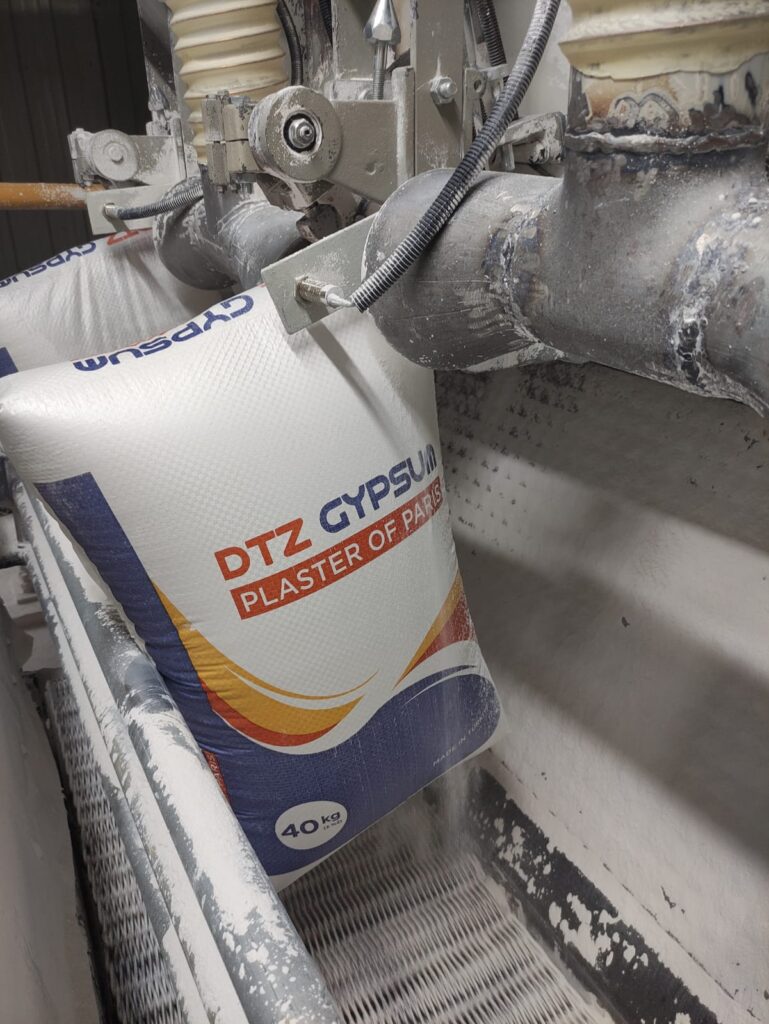
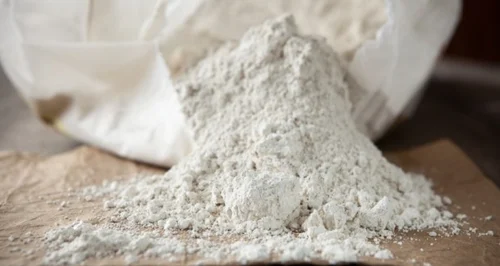
Plaster of Paris is a quick-setting material made from gypsum, which is a naturally occurring mineral (calcium sulfate dihydrate). The process of making POP involves heating gypsum to around 150°C to remove the water content, transforming it into a fine, white powder. When mixed with water, POP forms a paste that hardens quickly, making it ideal for various applications.
Some common uses of POP include:
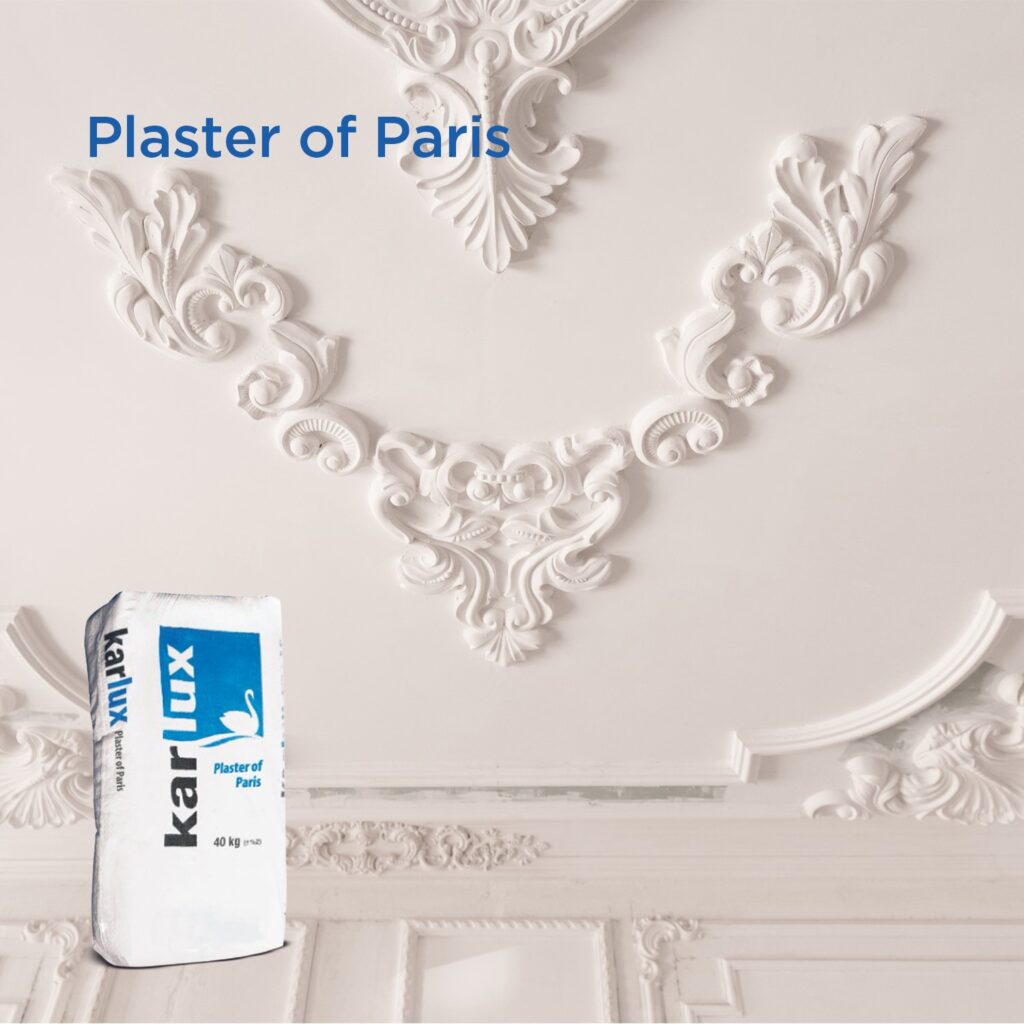
- Molding and casting: Used to create sculptures, decorative elements, and intricate designs.
- Plastering: A material used for finishing walls and ceilings in interiors.
- Filling: Used to fill cracks, holes, and small imperfections in surfaces.
What is Cement?
Cement, on the other hand, is a binder that is primarily used in construction to hold other materials together. The most common type of cement is Portland cement, which is made from a mixture of limestone, clay, and other minerals. Cement is the main ingredient in concrete and mortar, which are both essential materials in building construction.
The main difference between cement and POP lies in their properties and usage:
- Cement is used for structural applications, such as making concrete and mortar for building foundations, walls, and floors.
- POP is more decorative and is used for interior work, such as creating molds, decorative plaster, and repairs.
Key Differences Between POP and Cement
- Composition:
- POP: Made from gypsum, which undergoes heating to remove water and form a fine powder.
- Cement: Made from a combination of limestone, clay, silica, and other minerals, and is used as a binder for concrete and mortar.
- Setting and Hardening:
- POP: Plaster of Paris sets very quickly after being mixed with water, making it ideal for molding and temporary applications. However, it does not have the strength or durability of cement.
- Cement: Cement has a slower setting time and, when mixed with other materials (like sand and gravel), forms concrete, which hardens into a much stronger, durable material suitable for construction.
- Uses:
- POP: Best used for decorative applications, such as plastering walls, creating molds, and repairing small cracks. It is also used in the artistic industry for casting sculptures.
- Cement: Used for structural purposes, such as in the production of concrete for buildings, bridges, and roads. It is also used in making mortar for laying bricks or stones.
- Strength and Durability:
- POP: Plaster of Paris is not suitable for heavy-duty or load-bearing applications. It can be weak and brittle, especially when exposed to moisture.
- Cement: Cement, especially in its form as part of concrete, is much stronger and more durable, capable of supporting heavy loads and withstanding various environmental conditions.
- Moisture Resistance:
- POP: Plaster of Paris is highly sensitive to moisture and can deteriorate quickly when exposed to water.
- Cement: Cement is designed to be more moisture-resistant and is suitable for outdoor and wet environments, such as in foundations, road construction, and waterproofing.
Is POP a Type of Cement?
While Plaster of Paris is a versatile and useful material in construction and decoration, it is not considered a type of cement. POP is primarily used for interior finishing, molding, and decorative work, while cement is a fundamental ingredient in concrete and mortar, which are used for structural construction. The main difference lies in their composition, setting properties, strength, and applications.
Conclusion
In summary, POP and cement are both essential materials in construction, but they serve different purposes. Plaster of Paris is not a type of cement. It is a gypsum-based product with quick-setting properties, suitable for interior work and decorative applications. On the other hand, cement is a binder used in making concrete and mortar, and it plays a crucial role in building strong, durable structures.
When choosing between the two, it’s essential to consider the specific requirements of your project. If you’re looking to create decorative finishes, moldings, or plaster repairs, POP is a great option. However, for any heavy-duty, load-bearing construction work, cement or concrete would be the appropriate material to use.