When it comes to construction and plastering materials, Plaster of Paris (POP) and gypsum are often compared. While both are derived from the same raw material, gypsum, there are distinct differences in their properties, uses, and applications. So, the question arises: Is POP better than gypsum?
In this blog, we’ll explore both materials in detail to help you understand their differences, benefits, and ideal uses, so you can make an informed choice for your project.
What is POP (Plaster of Paris)?
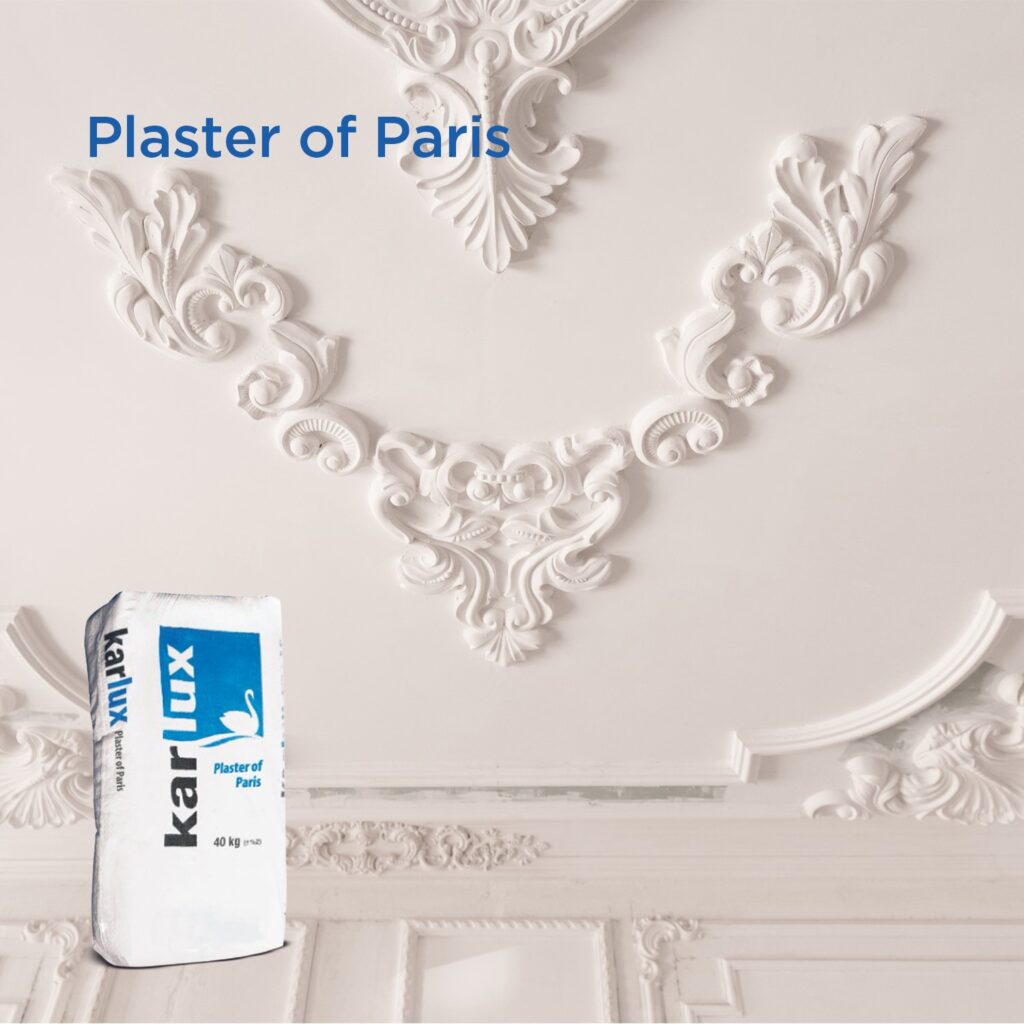
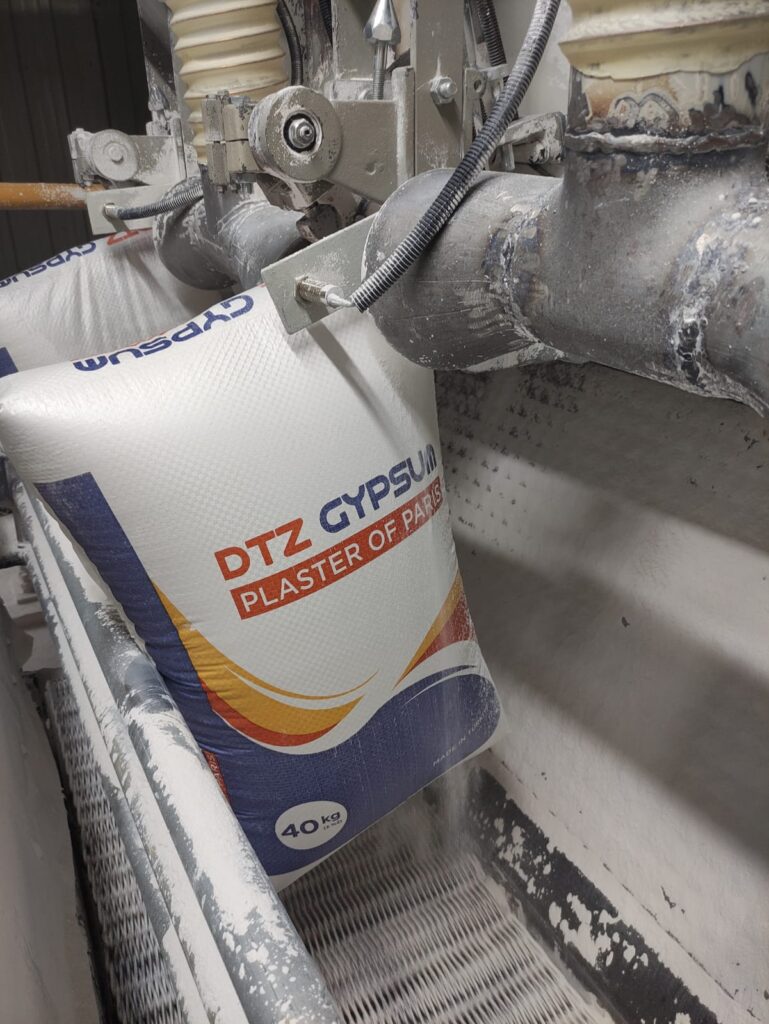
Plaster of Paris (POP) is a quick-setting material made by heating gypsum to remove water content. This process turns the gypsum into a fine powder, which, when mixed with water, forms a paste that can be molded into various shapes. POP is commonly used for:
- Molding and Casting: Creating sculptures, decorative elements, and intricate designs.
- Plastering: Finishing walls and ceilings, providing a smooth surface.
- Repairs: Filling cracks, holes, and dents in walls and ceilings.
POP is popular because of its fast setting time and ease of application. It hardens quickly after mixing with water, which makes it perfect for small-scale decorative work and repairs. However, it is generally not suitable for outdoor or structural applications due to its vulnerability to moisture and weather conditions.
What is Gypsum?
Gypsum is a natural mineral composed of calcium sulfate dihydrate. It is widely available and can be used in its raw form for various applications in construction. When processed, gypsum is used to make various products, including drywall, plasterboards, and gypsum-based plasters. Some common uses of gypsum include:
- Drywall and Plasterboards: Gypsum is the core material for making plasterboard (also known as drywall) used in wall and ceiling construction.
- Plastering: Gypsum-based plasters are used for finishing walls and ceilings in both interior and exterior spaces.
- Agriculture: Gypsum is used as a soil conditioner to improve the quality of soil.
Gypsum in its natural form is less refined compared to Plaster of Paris but has its own advantages in certain applications, especially in creating large-scale, durable materials like drywall and plasterboard.
Key Differences Between POP and Gypsum
- Composition and Processing:
- POP: Made by heating gypsum to around 150°C to drive off the water, resulting in a fine powder that can harden quickly when mixed with water.
- Gypsum: A natural mineral that is extracted and processed for use in products like drywall, plasterboards, and plasters, often without undergoing the same intense heating process as POP.
- Strength and Durability:
- POP: Plaster of Paris is typically not as durable as gypsum products, especially when exposed to moisture. It is prone to cracking and degradation in humid or wet environments. Therefore, POP is not recommended for outdoor applications or load-bearing structures.
- Gypsum: Gypsum-based products, such as plasterboards, are generally more durable and resistant to moisture. They are designed for both interior and exterior applications, depending on the product type.
- Setting Time:
- POP: One of the key benefits of POP is its quick-setting nature. It hardens rapidly after being mixed with water, which makes it ideal for quick fixes, molding, and small decorative projects.
- Gypsum: Gypsum products take longer to set compared to POP, and they may require more time to reach their full hardness, especially when used for larger applications like plastering walls or ceilings.
- Uses and Applications:
- POP: Primarily used for decorative and molding purposes, such as creating sculptures, castings, and moldings. It is also used for plastering small areas and filling cracks in walls.
- Gypsum: More versatile and commonly used in large-scale construction applications, such as in the creation of drywall, plasterboards, and gypsum plaster for finishing surfaces. It is also a key component in agriculture and industrial applications.
- Moisture Resistance:
- POP: Plaster of Paris is not resistant to moisture, which makes it unsuitable for outdoor or wet environments. It can easily deteriorate when exposed to water.
- Gypsum: Some gypsum-based products (like moisture-resistant gypsum boards) are designed to withstand humidity and moisture, making them suitable for use in kitchens, bathrooms, and other high-humidity areas.
- Cost:
- POP: Generally more affordable than gypsum-based products, making it a popular choice for small projects and temporary applications.
- Gypsum: Gypsum-based products, such as drywall or plasterboards, tend to be more expensive due to the complex manufacturing process and the versatility of the material.
Is POP Better than Gypsum?
The answer depends on your specific needs.
- If you’re working on a small-scale interior project that requires quick setting and easy application for decorative work like molding, casting, or filling cracks, Plaster of Paris (POP) is a great choice due to its quick-drying properties and ease of use.
- If you’re working on a larger project that involves durable, long-lasting finishes or moisture-resistant applications, gypsum-based products such as drywall or plasterboards are more suitable. They offer better durability, moisture resistance, and are ideal for structural or exterior work.
Conclusion
In conclusion, POP and gypsum are both useful in the construction and design industries but serve different purposes. POP is excellent for small-scale, quick-setting applications like molding, repairs, and decorative finishes, while gypsum is better suited for larger-scale applications such as drywall, plasterboards, and moisture-resistant finishes.
Ultimately, the choice between POP and gypsum depends on the specific requirements of your project, including the type of application, setting time, durability, and resistance to moisture.