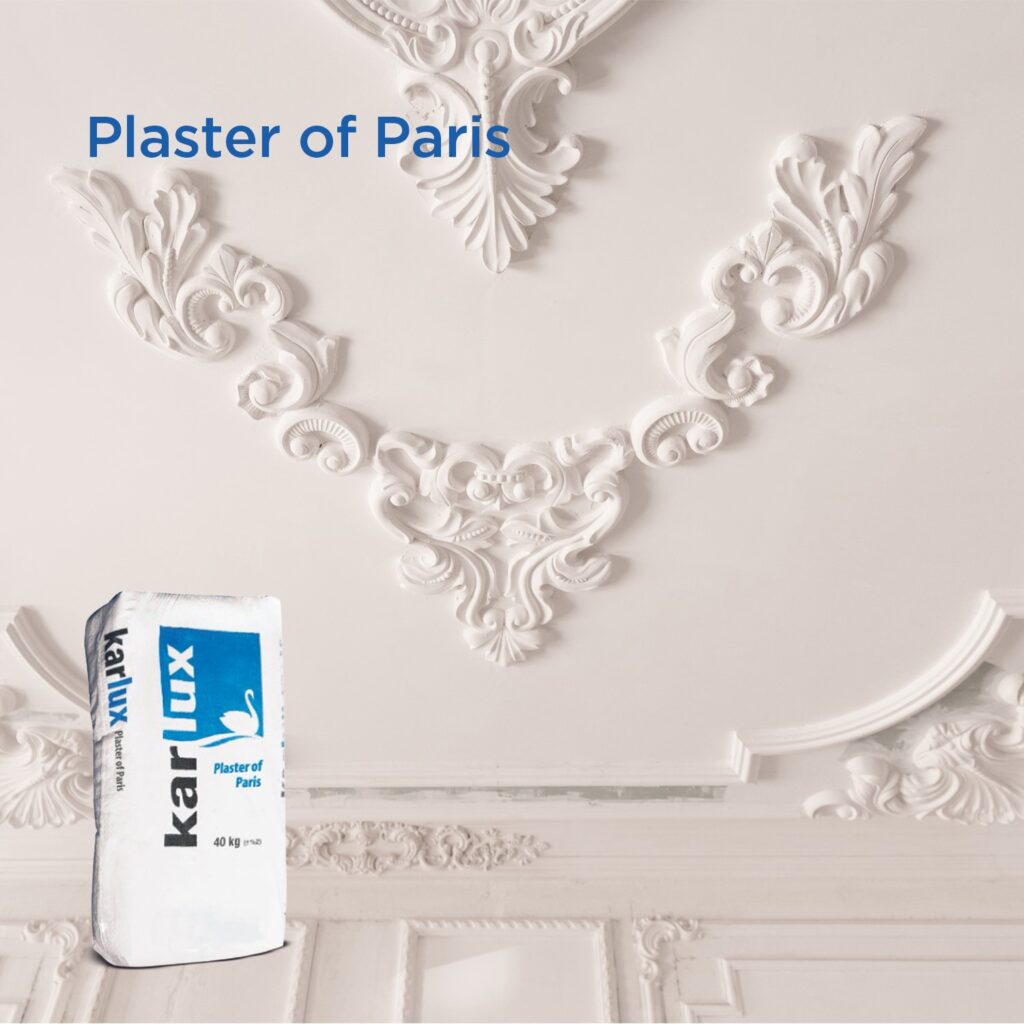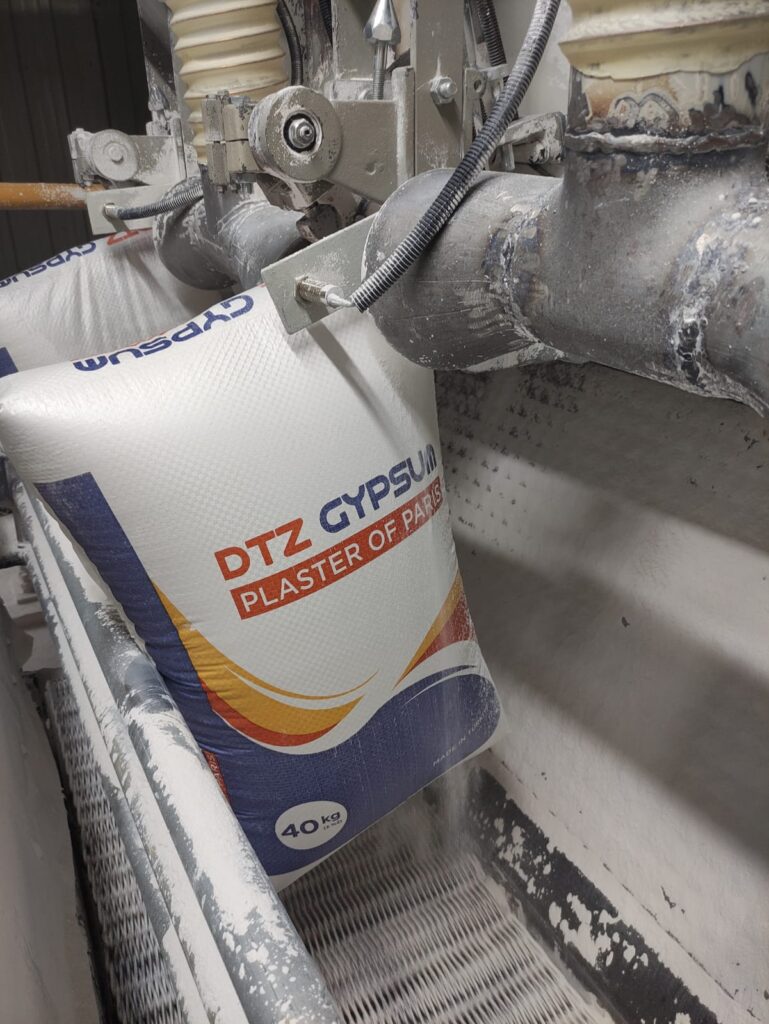
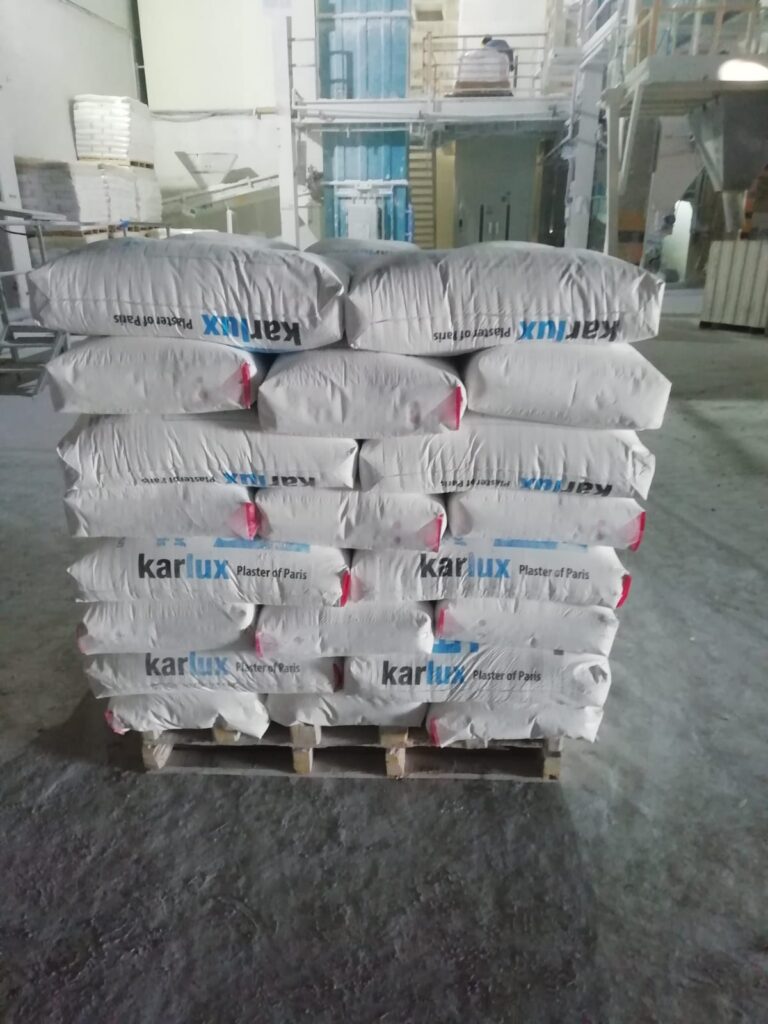
When it comes to purchasing construction materials, especially POP (Plaster of Paris) cement, it’s important to make informed decisions to ensure that you’re getting the best quality for the right price. POP cement is widely used for plastering, creating decorative features, and even in mold-making applications. However, with so many options available on the market, it can be challenging to choose the right product. In this blog, we’ll guide you through key factors to consider when buying POP cement, provide helpful tips, and discuss price considerations to help you make the best purchase for your project.
1. Check the Quality of POP Cement
The quality of POP cement is one of the most important factors to consider when making your purchase. Poor-quality POP cement can lead to weak finishes, cracking, and shorter-lasting results, which will ultimately increase costs for repairs or replacements.
- Purity and Composition: Make sure the POP cement is made from high-quality gypsum. The more pure the gypsum, the better the results. Check product labels or inquire with the supplier about the composition.
- Brand Reputation: Opt for well-known and reputable brands. Established brands often offer better consistency, durability, and reliability in their products.
- Certification: Look for certifications or quality assurance stamps that indicate the POP cement meets industry standards.
2. Application and Purpose
Consider the specific needs of your project. POP cement is versatile, but certain types may be better suited for specific applications. Different uses, such as plastering, decorative designs, or mold-making, might require varying levels of strength, consistency, or drying time.
- For Plastering: Choose POP cement with a fine texture and smooth finish to achieve the best results for wall and ceiling applications.
- For Decorative Features: If you’re using POP cement for artistic or decorative elements like molding, ensure the product offers ease of application and the ability to set quickly.
- For Mold-Making: For creating molds, you need a POP cement that sets hard but remains easy to remove from molds, offering high precision for detailed works.
3. Drying Time and Workability
POP cement is popular for its quick-setting properties, but drying times can vary depending on the brand and type. It’s important to select a product that aligns with your project timeline.
- Quick Drying: If you’re on a tight schedule, opt for POP cement with a faster drying time. This allows you to apply multiple layers or move on to other tasks more quickly.
- Workability: Choose a POP cement that offers a good balance between setting quickly and being easy to work with. Cement that is too fast-setting can be difficult to apply smoothly, while overly slow-setting cement can cause delays.
4. Price Considerations
POP cement prices can vary depending on the brand, quality, and quantity. Understanding these price differences and how they fit within your budget will help you make an informed decision.
- Compare Prices: Different suppliers may offer varying prices for the same quality of POP cement. It’s a good idea to compare prices from multiple suppliers to ensure you’re getting the best deal.
- Bulk Purchases: If you’re working on a large project, consider buying POP cement in bulk. Many suppliers offer discounts for bulk orders, which can save you money in the long run.
- Consider Additional Costs: Don’t forget to factor in additional costs, such as delivery fees, if you’re purchasing POP cement online or from a distant supplier.
5. Storage and Shelf Life
POP cement can lose its effectiveness if not stored properly. When purchasing, make sure to consider how you plan to store the product.
- Proper Storage: Store POP cement in a dry, cool place, away from moisture, to prevent it from setting prematurely. Check that the bags are sealed tightly and kept in an airtight environment to preserve their quality.
- Shelf Life: POP cement generally has a long shelf life when stored correctly. However, if the packaging has been damaged or the cement is exposed to moisture, it can affect its performance. Always check the expiration date or storage recommendations from the manufacturer.
6. Supplier Reliability and Customer Reviews
Choosing a trustworthy supplier is crucial when buying POP cement. Customer reviews and feedback can offer valuable insights into the quality and reliability of the product and supplier.
- Check Reviews: Look for reviews from other customers who have purchased the same product. Reviews can help you gauge the product’s quality, performance, and how well the supplier handles customer service.
- Supplier Reputation: Choose a supplier with a good reputation for timely delivery and customer support. A reliable supplier ensures that you receive the right amount of cement on time and with minimal hassle.
7. Eco-Friendly Options
As sustainability becomes more important, consider eco-friendly POP cement options. Many manufacturers now produce POP cement with lower environmental impact by using recycled materials or minimizing energy consumption during production.
- Look for Green Certifications: Some POP cement brands are certified as environmentally friendly or energy-efficient. These products are not only better for the environment but can also help you meet sustainability goals in your construction projects.
Conclusion
Buying POP cement requires careful consideration of several key factors, including quality, application, price, and the reliability of the supplier. By understanding what to look for, you can ensure that you select the best POP cement for your project. Don’t forget to compare prices, check reviews, and consider bulk purchasing for the best value. Whether you’re plastering walls, creating decorative elements, or working on a large construction project, POP cement offers a durable and efficient solution that will help you complete your work faster and more effectively.